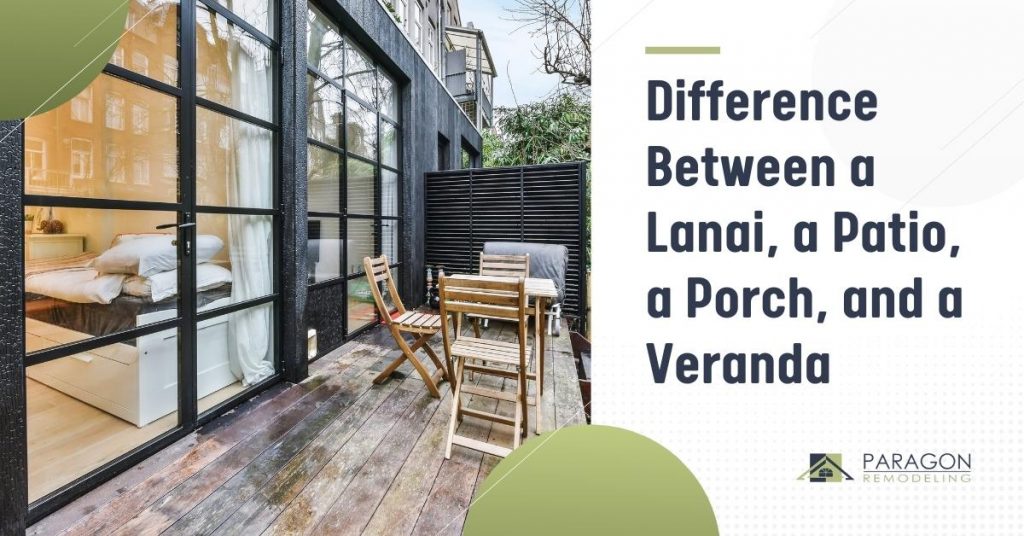
Top Virginia Deck Designs for Privacy

Filed Under: Deck    by: Skayhill

We all love to spend time in the backyard relaxing, playing with the kids or cooking up a grilled dinner. But most families desire a certain amount of privacy in their outdoor living space. Consider these top Virginia deck designs that add privacy in stylish, affordable ways, perfect for the suburban backyard.


Privacy Screens

These tall, fence-like structures are the most common way to create privacy on a backyard deck. Install them in place of a railing and in locations that create the most amount of privacy without overshadowing deck space and leaving you with that ‘boxed in’ feeling.

Privacy screens provide the option of dressing up and personalizing your Virginia deck as well. Include a scalloped top plate on a wooden privacy screen or a higher beam to hang potted plants from. Or how about installing a decorative panel into a portion of the screen, to add color and style? Consider the screen’s shape, height, and direction of the boards to create a privacy screen that’s as individual as your home.

Gazebos and Screened In Porches

Incorporate a gazebo into the corner of your deck to create a nook for a dining table or lounge chair. Screen in the side walls for semi-private viewing and protection from bugs and pests, or grow greenery and vines to create natural privacy. Having a roof over this portion of your deck also blocks the view from above – a common issue with suburban houses packed tightly together.

Think about how a gazebo could be used to create an outdoor room, and how you could creatively cover one of the walls, or block in most of the structure to ensure privacy. Pergolas also provide an overhead structure suitable for vines, shades and other impromptu set ups.

Moving Up in the World

If you have a walkout elevation, or your home has a sliding glass door on the second floor, consider building a deck in that location as opposed to on the ground. The height actually creates more privacy, as long as your neighbor’s windows are not in the line of sight. Elevated decks also provide a lovely view from your patio furniture, and make good use of space.

Designing a walkout deck involves longer posts, higher railings and more stairs than a standard ground level project. But these challenges are easily handled by a professional decking contractor, who’ll also have suggestions about railing styles and landings that will keep that opening feeling in your yard, while providing a private deck space up above.

Will Planting Trees Work for Privacy?

You can also plant thick evergreen trees at the property lines to create an effective wind barrier that also blocks the view. But these trees will spread as time goes by, and landscaping requires more maintenance than a simple privacy screen or gazebo.

You need privacy in your outdoor living space, allowing for relaxation and peace on the property. Consider incorporating some of these top Virginia deck designs to create privacy in the backyard. From screens to upper levels and gorgeous gazebos, deck features that craft solitude in your yard are well worth the investment.

How to Budget for a Bathroom Remodel Virginia Homeowners Want

Filed Under: Bathroom    by: Skayhill

Bathroom renovations improve the value of your Virginia home, but costs vary depending on the design and scope of the project. Understanding how to budget for a bathroom remodel Virginia homeowners want will help you make an affordable plan for your project – whether you’re adding a powder room on the main floor or expanding the master ensuite.

Typical Costs of Bathroom Renovations

The steps of a bathroom remodel Virginia homeowners typically need to plan for include:

  • demolition and removal of existing bathroom
  • install plumbing and electrical
  • preparation of structural components, such as installing water resistant drywall on the walls and ceiling, adding support to the floors and leveling the subfloor
  • finishing and painting of the walls and ceiling
  • installation of bathroom fixtures, such as the shower enclosure, bathtub, toilet, vanity and sink
  • installation of flooring (may happen before some bathroom fixtures go in)
  • hanging accessories, such as mirror, towel holders, shower curtains, window treatments, etc

Each of these stages incur additional costs. Some require the skills of a professional bathroom contractor or licensed plumbers and electricians, while others can be tackled as a DIY project.

Many homeowners consider removing the existing bathroom before bringing in the contractor. As long as you understand that removal costs will apply, and damage that occurs during the removal stage adds to the costs later on, this route may shave some dollars off of the final budget.

Paying for the Pros

Maybe you’re considering installing the entire room. Comparing the costs of a professional contractor with the cost of materials from a local building supplies store convinces some homeowners that DIY is the only way. But stop and consider the value an experienced professional delivers.

A DIY bathroom remodeling project will take up most of your free time; you may even need to book time off work, using valuable vacation hours. Hiring a professional to handle the work allows you to make better use of your own time, and speeds up the entire process. While contractors can complete a typical bathroom renovation in a week or so, DIY enthusiasts may take a month or more to get the job done.

The professionals will also be sure to install plumbing and electrical properly, following local building codes and providing a safe, reliable system. Faulty electrical wiring causes fires and dangerous conditions in the bathroom, while improperly designed and incorrectly installed plumbing can cause leaks and floods, destroying much of your home and possessions. Why take the chance just to save a few dollars? Hire the pros and rest assured that your new bathroom is well designed and properly installed for years of use.

Financing Options

Talk to your banker about home renovation loans. A bathroom remodel project increases the resale value of your home, and often improves your home equity. Financing could help you complete the project today, while paying for the work in affordable monthly payments.

Some local contractors offer in-house financing as well, and most accept credit card payments. Take advantage of seasonal sales and promotions to get the best deal on your new bathroom project by having the financing available ahead of time.

Budgeting for a bathroom remodel Virginia homeowners want takes careful planning. Consider how much you can complete on your own and which elements of the job need to be handled by the pros. Then discuss financing options and watch for local promotions. Your dream bathroom renovation is possible.

Top Three Home Additions Virginia Residents Love to Live In

Filed Under: Additions    by: Skayhill

Additions expand your living space and provide countless benefits. Although the design depends on your unique lifestyle and property, consider these projects that made the list of top three home additions Virginia residents love to live in.

Garage Additions

If your Virginia home needs storage space, a workshop or additional parking, garage additions provide the ideal solution. Consider whether an attached garage can be added to limit costs and provide convenient access. Detached garages are a better option for workshops and private areas to indulge in hobbies like auto mechanics or woodworking.

Concrete slabs support garage additions, which are framed and finished just like your home. Vinyl siding or cement fiberboard are often used to finish the exterior walls, while asphalt shingles cover the garage roof. When designing an attached garage, your Virginia contractor will consider the existing materials, as well as the condition of the framing, roof trusses and foundation. Any structural repairs or replacement are done before the new addition is built.

Attached garages generally cost less than detached designs, but the overall price depends on the size and finishing options. Think about whether you’ll need an insulated garage door, how many windows are required and how electricity and heating will be run into the space.

Kitchen Additions

Kitchen renovations create a more efficient workspace and allow for optimum traffic flow. But when your existing floor plan limits the space for a new kitchen, an addition provides the ideal opportunity to improve your lifestyle.

Kitchen additions are generally installed at ground level and built on a foundation extension. Your contractor will design a room that fits into the existing floor plan with matching exterior finishing and a seamless roofline. Large windows, sliding patio doors and skylights are popular inclusions, and premium kitchen cabinets, natural stone flooring and durable countertops are used to add value to the space.

The cost of kitchen additions depends on the overall design and features installed. Much like the costs of kitchen renovations, an affordable kitchen addition is possible with the right contractor and a design that takes advantage of your existing home features.

Sunrooms

For affordable home additions Virginia residents can easily budget, sunrooms provide exceptional living space. Enjoy the sunshine all year round with a four-season insulated sunroom, or spend time in the yard without worrying about pests with a screened in sunroom.

Consider how you’re planning to use this space. Four-season sunrooms work well as dining rooms or family rooms, designed with comfortable furniture and open to the kitchen for convenience. Screened in sunrooms can be used for dining in the warm months and a fantastic place to read, nap or simply relax and appreciate the weather. Screened in sunrooms can be installed in nearly part of the house, including on the front porch.

Remember that heating and insulation need to be installed in four-season sunrooms, while screened in sunrooms are often built with a simpler design. Costs vary, depending on the size and design of the sunroom. Manufactured sunrooms are used in standard installations, while custom-built sunrooms work for unique situations and circumstances.

Hire an experienced contractor to design and build any of these top three home additions Virginia residents love to live in. Their expertise will ensure the space is built with style and durability.

Should You Use Drywall in Your Virginia Basement Project?

Filed Under: Basement    by: Skayhill

Have you wandered through a local home show recently, scanning the booths and gathering ideas for your latest home renovation project? If you’re planning on finishing your Virginia basement, home shows offer an incredible opportunity to connect with contractors, obtain rough prices and get up close and personal with various products.

Many homeowners wonder about using drywall and consider the benefits of innovative products such as fiberglass basement wall panels. Is drywall the most affordable option? Will you end up with mold and be forced to replace the drywall in a few years? Is it worth the added investment to install “waterproof” wall paneling systems?

Address these questions before finishing the basement to ensure you’ve made the best decision for your home.

Benefits of Installing Drywall in the Basement

Drywall is simple to work with, and can be used to finish walls, ceilings, bulkheads and archways. With a skilled basement contractor your basement renovation will be finished to the same level of quality seen in the balance of your home – smooth walls painted in your preferred color or covered in wall paper.

Drywall is also relatively inexpensive, especially when compared to insulated basement panels. Consider the cost of installing a drop ceiling compared to the cost of drywalling the basement ceiling – you’re often looking at paying more that double the cost to go with drop ceilings. Although that product provides access to the floor joists above and can be easily repaired or replaced, the higher upfront cost deters many homeowners. Drywall ceilings are common on every floor of your home.

Drywall provides an attractive finish and allows for custom paint. Most fiberglass basement wall panels come in one color, or a limited selection of neutral colors. If you want a certain design or décor style in your Virginia basement, drywall is likely the better choice.

Benefits of Fiberglass Basement Wall Panels

Most manufacturers and contractors call this product a basement finishing system. Panels notch together or are mounted in framing, similar to the grid used on drop ceilings. The walls present a smooth face, and may support wall hangings like picture frames and flat-screen televisions. Find out the structural stability of the wall panels before mounting anything.

One of the biggest benefits of fiberglass panels is mold and moisture resistance. These insulated panels are made from non-organic materials, robbing mold spores of the nutrients required to grow. Fans of these systems falsely claim that every drywall basement has mold issues, but you are much more likely to encounter mold using drywall than you are with these fiberglass product.

It’s important to note that fiberglass wall panels are not waterproof; they’re simply moisture resistant. Using this product will not fix any current water problems and wall panels still need to be replaced after water damage or flooding.

Removable basement wall panels offer ready access to the foundation, electrical and mechanical systems located behind the wall. This can be an advantage when changes are made to the electrical or heating systems, or cracks develop in the foundation. Insulated panels offer an effective sound barrier as well, helping make the basement a more relaxing spot.

Whether you opt for traditional drywall, or invest in a fiberglass basement wall system, finish your Virginia basement with careful planning and an expert contractor. Those factors will produce a more comfortable, valuable space for your family.